Research portfolio
Meet the scientists and researchers behind every breakthrough.
Explore the scientists, hospitals and therapeutic ideas PCF has supported across the pediatric cancer research pathway.
Children’s Hospital at Montefiore
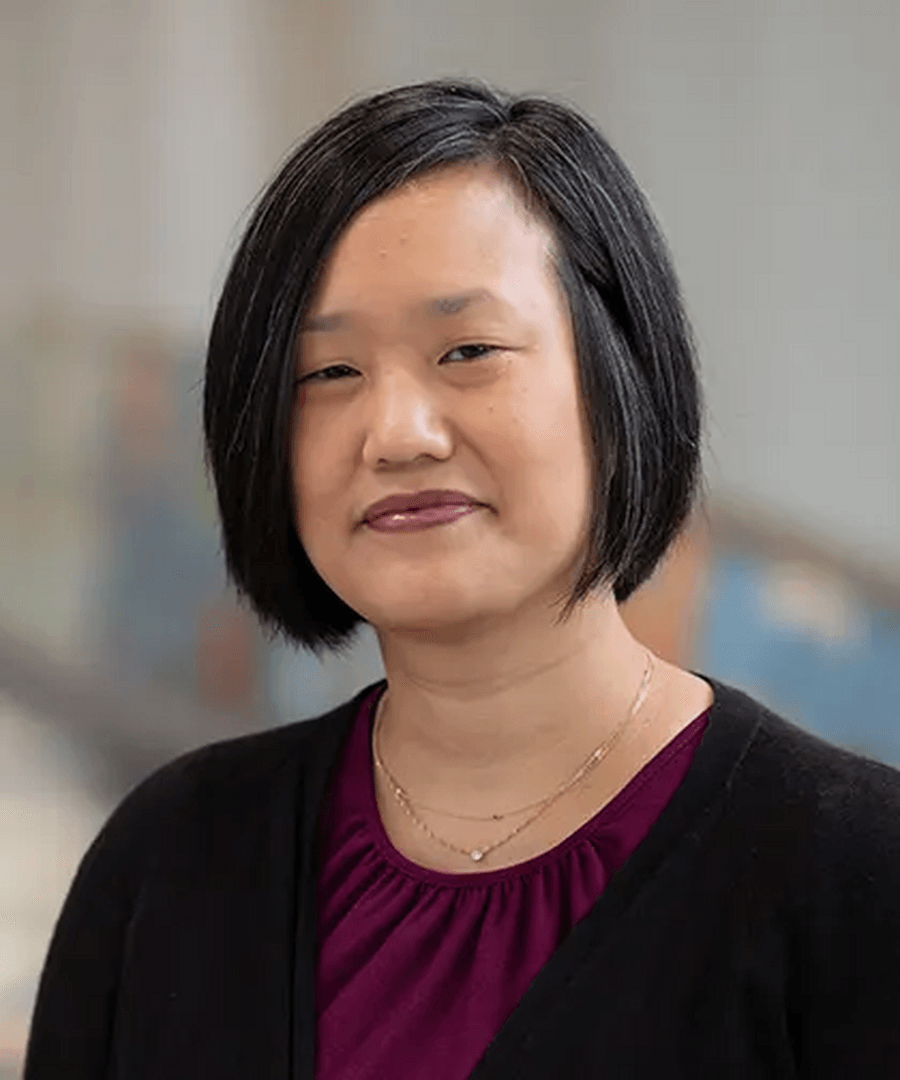
Alice Lee, MD
Pediatric Early Phase Clinical Trials Program at Montefiore Medical Center
This program helps children with difficult-to-treat cancers in the Bronx get access to cutting-edge treatments and clinical trials close to home, removing barriers like travel and cost. It has grown into a strong research effort offering many studies and new therapies, helping more kids receive advanced care that was previously hard to access.
Read the research →
Children’s Brain Tumor Network
Pediatric Brain Tumor Foundation - Children’s Brain Tumor Network
CBTN - Advancing Pediatric Brain Tumor Research Through Crucial Infrastructure Support
The Children's Brain Tumor Network, housed at Children's Hospital of Philadelphia, has built the world’s largest open pediatric brain tumor dataset, making data freely available to qualified researchers worldwide. This collaborative infrastructure has accelerated research globally and helped pediatric brain tumors become the first focus of the Advanced Research Projects Agency for Health Pediatric Care eXpansion (PCX) initiative, a $50 million national platform designed to improve treatment guidance for children with cancer. While federal funding supports the technology behind these systems, PBTF funds the critical human expertise—such as research coordinators, imaging analysts, and data harmonization teams—needed to ensure every child’s data is complete, accurate, and ready to drive future discoveries. Together, these efforts bridge the gap between today's manual work and tomorrow's fully AI-powered research.
Read the research →
Columbia University
Jennifer Oberg, EdD, MA
Columbia University PCF Developmental Therapeutics Program
The Pediatric Cancer Foundation Developmental Therapeutics Program (PCFDTP) at Columbia University Irving Medical Center focuses on developing and testing new treatments for children with incurable cancer. It combines basic science, translational research, and clinical trials, including participation in the NCI-sponsored Pediatric Early Phase Clinical Trials Network, making it the only institution between Philadelphia and Boston offering “first in child” trials. The program also provides personalized treatment recommendations through advanced tumor profiling with the PIPseq program. Supported by PCF funding since 2006, the program has built a strong research infrastructure and seeks continued support to sustain staff and genomic technologies for delivering cutting-edge therapies to patients.
Read the research →

Mount Sinai
John Levine & James Ferrara
Improving Pediatric Graft-versus-Host Disease Outcomes
This study aims to improve treatment for children with graft-versus-host disease after a stem cell transplant by using blood tests to guide care. The goal is to control the disease just as well—or better—while reducing the need for high-dose steroids and their harmful side effects.
Read the research →
University of Pittsburgh
Constantinos Hadjipanayis, MD, PhD
Enhancing 5-ALA Photodynamic Therapy and MEK Inhibition with Radiation Therapy for Targeted Treatment of H3K27-Mutant Diffuse Midline Glioma
This study is testing a combination of existing treatments to better fight a deadly childhood brain tumor that currently has no cure. By using light-based therapy, targeted drugs, and radiation together, researchers hope to slow tumor growth more effectively and quickly move toward better treatment options for patients.
Read the research →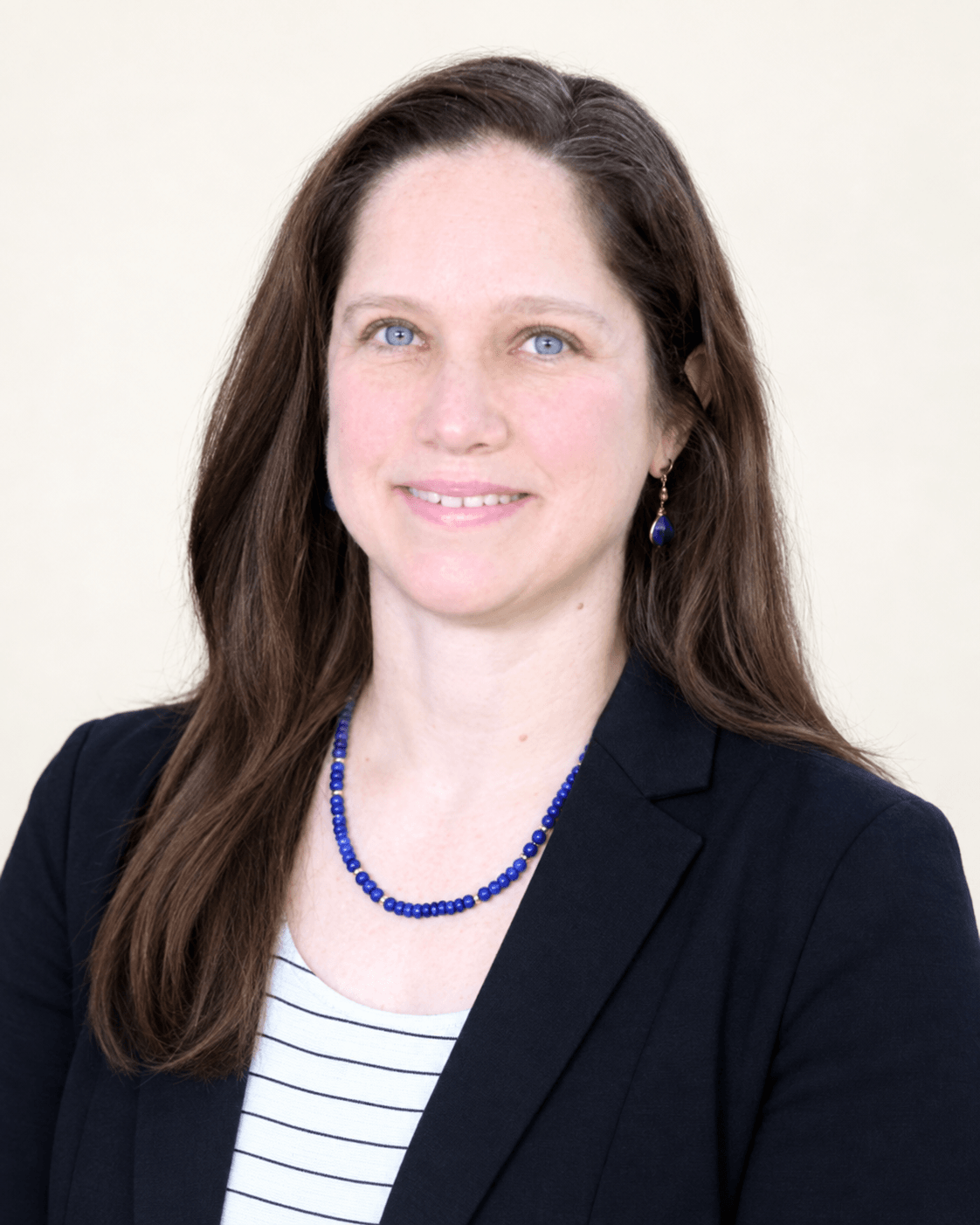
Children's Hospital Los Angeles
Sarah Richman, MD, PhD
Signaling and cell adhesion properties of NCAM during CAR T cell engagement with tumor
This study aims to make a type of cancer immunotherapy (CAR T cells) work better for solid tumors in children, like neuroblastoma and rhabdomyosarcoma, where it has been less effective. By improving how these immune cells stick to and attack cancer cells, the research hopes to create stronger, longer-lasting treatments for hard-to-treat childhood cancers.
Read the research →
UT Health San Antonio
Luiz O.F. Penalva, PhD
RNA therapeutics to target aggressive medulloblastoma
This study is developing a new RNA-based treatment for an aggressive childhood brain tumor by targeting molecules that help cancer cells grow. The goal is to stop tumor growth without harming normal cells, potentially leading to a safer and more effective therapy.
Read the research →
Memorial Sloan Kettering
Jaap Jan Boelens, MD, PhD
Circulating T follicular Helper Cells as Predictors of GVHD and Relapse After Pediatric Hematopoietic Cell Transplantation
This study looks at how the immune system recovers after a stem cell transplant and how that affects the risk of complications like graft-versus-host disease or cancer coming back. The goal is to identify early warning signs in specific immune cells so doctors can better predict risks and tailor treatments to improve patient outcomes.
Read the research →
Weill Cornell
Nadia Dahmane, PhD
Targeting tumor cells dissemination in medulloblastoma
This study is trying to understand why some childhood brain tumors spread through the fluid around the brain and spinal cord, which makes them much harder to treat. Researchers are focusing on a gene that may normally help keep tumor cells less aggressive, with the goal of finding ways to prevent this dangerous spread and improve outcomes for children.
Read the research →
CHOP
Evan Weber, PhD
A discovery platform for engineering serial killer CAR T cells for pediatric cancer
This project aims to make CAR T cell therapy work better for children with cancer by helping the immune cells stay stronger and kill more tumor cells over time. Researchers will use new tools to figure out how to improve these cells and design better versions, with the goal of creating more effective and longer-lasting treatments.
Read the research →
NYU Grossman
Mark Yarmarkovich, PhD
Screening and Development of IMPG2-targeted CAR T-Cells for Group 3 Medulloblastoma
This study is developing a new type of CAR T cell therapy that can target hidden cancer signals inside tumor cells, offering a potential treatment for an aggressive form of childhood brain cancer with few options. The goal is to create a highly precise and safe therapy that can better attack tumor cells while sparing healthy tissue.
Read the research →
New York Medical College / Maria Fareri Children’s Hospital
Mitchell Cairo, MD
Targeted Humoral and Cellular Therapy for Childhood, Adolescent and Young Adult Classical Hodgkin Lymphoma
This project tests antibody-based therapies with reduced-toxicity chemotherapy and develops gene-edited immune cell treatments to improve outcomes and reduce long-term harm for children and young adults with classical Hodgkin Lymphoma.
Read the research →
Memorial Sloan Kettering Cancer Center
Michael Ortiz, MD
Clinical Translation of an Exportin 1 (XPO1) Dependency in Select Pediatric Solid Tumors
PCF-supported research investigates liquid selinexor for children with relapsed Wilms and other XPO1-dependent tumors.
Read the research →
The Ohio State University Comprehensive Cancer Center
Dawn Chandler, PhD
Target Specific Delivery of Optimized RNA Therapeutics for the Treatment of Pediatric Sarcomas
This project develops a targeted delivery system to restore the cancer-fighting protein p53 by blocking MDM2, aiming to improve treatment and survival for children with aggressive rhabdomyosarcoma.
Read the research →
Children’s Hospital of Philadelphia
Sarah Tasian, MD, PhD
FLT3 Killer T Cell Immunotherapy for High-Risk Pediatric Leukemias
PCF-supported laboratory research explores FLT3-targeted CAR T cells for high-risk pediatric leukemias.
Read the research →
University of Michigan Medical School
Maria Castro, PhD
Investigating Mechanisms of Recurrence After Immune Gene Therapy in G34-Mutant Pediatric High-Grade Glioma
This study investigates why G34-mutant childhood brain tumors often recur after treatment, aiming to guide immune-based combination therapies that improve long-term survival.
Read the research →
NYU Grossman School of Medicine
William Carroll, MD
The Role of Aneuploidy in Childhood B Acute Lymphoblastic Leukemia
This study develops lab models of hyperdiploid ALL to uncover how extra chromosomes influence cancer behavior and treatment response, aiming to guide better therapies for patients lacking these favorable traits.
Read the research →
Icahn School of Medicine at Mount Sinai
Oren Becher, MD
Moving Closer to Establishing an Animal Model of Posterior Fossa A Ependymoma, a Childhood Brain Cancer
This study aims to create a better animal model of Posterior Fossa A ependymoma by testing whether the genes p73 and IGF2 drive tumor formation, with the goal of uncovering disease mechanisms and guiding new treatments.
Read the research →
Johns Hopkins University
Stavroula Sofou, PhD
Alpha-Particle Radio-Immunotherapy for Pediatric Glioblastoma
Researchers created a low-dose radiation treatment that boosts immune response against tumors, and after success in mice, they plan to test it in pet dogs with brain tumors as a step toward human trials.
Read the research →
Children’s Hospital Los Angeles
Jessica W Tsai, MD, PhD
Defining the Spatial Architecture of Atypical Teratoid Rhabdoid Tumors
This project uses advanced mapping of ATRT tumors to understand how different cells function and interact, with the goal of developing safer, more precise treatments for young children.
Read the research →